

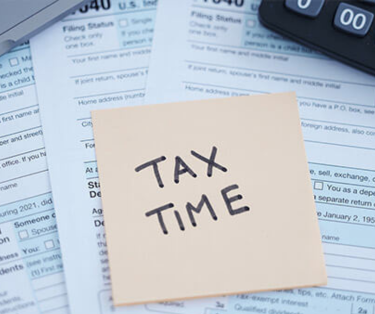
For many small business owners, tax season is a whirlwind. It comprises filing, deadlines, & paperwork. But the work doesn’t end when the returns are submitted. Missteps after tax season can lead to lost savings. There can be penalties & missed opportunities for future growth. Implementing proper tax planning for small business can help owners. They can avoid these pitfalls & optimize deductions. Plus, they can stay financially healthy 365 days a year.
In this guide, we’re talking about the most common post-tax season mistakes. We are sharing effective tax planning strategies for small businesses. We will discuss how practical planning can save time, money, & stress.
1. Failing to Review Tax Returns
Many small business owners assume once the return is filed, the process is over. Skipping a thorough review is bad. This can result in missed errors. Or there can be overlooked deductions. Booking a session with a small business tax accountant is a great option. This way, you can review past filings to confirm correctness. He can check chances for amendments / upcoming tax planning.
2. Neglecting End-of-Year Tax Planning
Positive end of year tax planning for small business is critical. Waiting until the next tax season limits the ability to implement strategies. This will reduce taxable income, like retirement contributions, capital purchases, or expenditure timing. Businesses that plan year-round benefit from greater monetary regulation & tax efficiency.
3. Ignoring Changes in Tax Laws
With new legislation such as the new tax plan for small business, it is important to stay updated. Alterations in deduction limits, tax credits & reporting requirements can have a big impact on small business finances. Working with a knowledgeable tax expert is very important. This confirms obedience & maximizes obtainable benefits.
4. Poor Recordkeeping
Truthful records are the backbone of good tax planning. Bad receipts, invoices or expense reports make audits tough. They lower deductible odds. If you maintain financial records throughout the year, it makes filing taxes much easier. This is possible with strategic tax planning strategies for small businesses.
5. Misclassifying Workers
Misclassification of employees & contractors is a common error. This can trigger penalties & back taxes. This confirms correct classification, proper payroll processing, & obedience with IRS guidelines. This can save the business & support accurate tax reporting.
6. Overlooking Tax-Advantaged Accounts
Small businesses can reduce taxable income. This is possible through contributions to retirement plans or health savings accounts. Failing to use these tax planning strategies for small businesses means leaving likely savings on the table. A small business tax accountant can recommend apt accounts & contribution levels.
7. Not Planning for Estimated Taxes
Quarterly estimated taxes prevent large year-end tax bills. Skipping these payments can lead to penalties. People will have to face interest & cash flow problems. Proper tax planning for small business includes forecasting taxable income. This also comprises adjusting estimates & setting aside funds to cover requirements.
Tips to Improve Post-Tax Season Practices
- Schedule a Tax Review Meeting – Carry out a review with your accountant. This way, you can confirm no deductions were missed. You can plan for next year.
- Maintain Digital Records – Use accounting software. Thus, you can monitor live expenses. Also, you can check receipts, & invoices.
- Stay Updated on Tax Law Changes – You can subscribe to IRS updates, newsletters, or work with a CPA. The CPA must be familiar with small business tax laws.
- Use Tax-Advantaged Savings – Try contributing to retirement accounts or HSA/FSA plans. This way, you will be able to decrease taxable income.
- Predict & Budget for Calculated Taxes – Keep a proactive plan for quarterly payments. Hence, you can stay away from surprises.
Implementing these steps enhances cash flow. These can cut tax liability. These steps ensure obedience with federal & state demands.
Lastly
Dodging post-tax season mistakes is essential. This is for the financial health of small businesses. Owners should talk to a small business tax accountant from Chicagoland CPAs. They must use effective policies for tax planning for small business. Thus, owners can maximize deductions. They can remain compliant. Also, they can streamline financial management. With the right guidance, post-tax season doesn’t have to be stressful. It can be an opportunity to optimize your business.
Read More: 6 Powerful Law Firm Accounting Strategies That Actually Work
FAQs
Q. What are the most common tax mistakes small business owners make?
Ans: Common mistakes include poor recordkeeping & failing to plan for estimated taxes. These also comprise ignoring tax law changes, misclassifying employees, & missing deductions.
Q. How can tax planning for small business save money?
Ans: Proactive planning identifies deductions, credits, and tax-advantaged accounts. This removes total taxable income & optimizes cash flow.
Q. What is end-of-year tax planning for small business?
Ans: It involves reviewing financials & forecasting income. It also means maximizing deductions & setting up for tax obligations before December 31st.
Q. Why should I hire a small business tax accountant?
Ans: A tax accountant ensures accurate filing. He can identify savings opportunities & maintain compliance. He will provide planned guidance for upscaling.
Q. What is the new tax plan for small business in 2026?
Ans: The 2026 updates include adjusted deduction limits. These comprise new small business credits & reporting requirements. Consulting a CPA uses these changes correctly.